
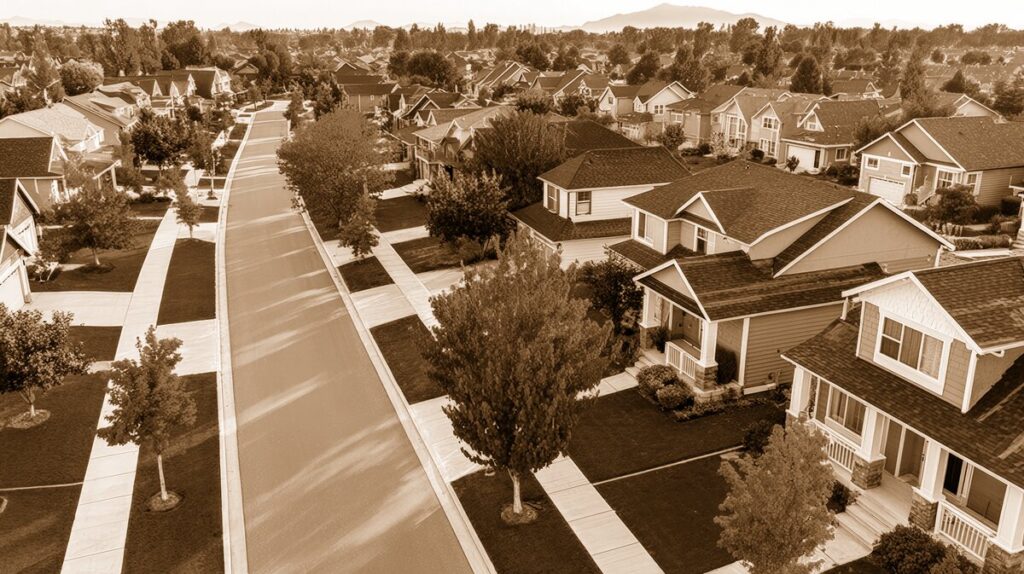
Nestled on the southern side of Norfolk, Nebraska, Walters Addition is far more than a set of quiet residential streets; it’s a living timeline of community pride, heritage, and everyday Midwestern warmth. For generations, families have called these leafy lanes home, enjoying the ease of local parks, close-knit neighbors, and a tangible sense of history. Here’s a walk through the story of Walters Addition—how it began, how it grew, and why it remains one of Norfolk’s most beloved neighborhoods.
The Origins of Walters Addition
The story of Walters Addition dates back to the early 20th century, during a period of significant growth for Norfolk. As the city’s agricultural economy boomed, Norfolk’s population swelled, leading to the expansion of residential developments beyond its original downtown grid. Among the new residential tracts was the area now known as Walters Addition, named after the Walters family — early settlers whose farmland spanned the southern perimeter of what is now the neighborhood.
The Walters family was known not just for their substantial fields stretching from South 9th Street westward, but for their investment in the growing community. In the 1920s, portions of their property were methodically subdivided into lots for new homes, setting the stage for a new neighborhood to blossom.
Naming the Neighborhood
The tradition of naming new subdivisions after founding families was common in Norfolk, reflecting a direct connection to those who helped cultivate the community. The Walters surname—emblazoned in local land records—became synonymous with steady stewardship and neighborliness. The Walters Addition plat itself, filed with the city in the late 1920s, can still be referenced in city archives as a marker of Norfolk’s expansion during those years.
Key Historical Milestones
Walters Addition quickly became known for its tidy homes and promising location near new city amenities. Among the neighborhood’s most significant milestones:
- 1932: The completion of concrete paving along South 11th and South 12th Streets, which connected Walters Addition more securely with other parts of Norfolk, making travel easier for both residents and city visitors.
- 1950s-1960s: A boom in single-family home construction occurred, reflecting the post-war housing surge seen across America. Many classic mid-century homes from this period still stand today, with their neat brick facades and mature shade trees.
- 1975: Liberty Park, located off South 13th Street, was dedicated. Featuring playgrounds, sports fields, and picnic shelters, the park quickly became the green heart of the neighborhood—a gathering place for families celebrating birthdays, Fourth of July picnics, and community baseball games.
- 1980s-present: Walters Addition weathered periods of change as Norfolk continued to evolve. The neighborhood is now known for its diverse mix of residents, from young families to retirees, all drawn by the area’s friendly atmosphere and affordable, well-maintained homes.
Notable Landmarks and Buildings
While Walters Addition is primarily residential, several landmarks reflect its community spirit and ties to Norfolk’s broader history:
- Liberty Park: As mentioned, this park sits at the center of the neighborhood, just east of South 13th Street. Its sprawling lawns, shade trees, and walking paths make it not only a recreational gem but a social anchor point for Walters Addition.
- The Walters Family Homestead: Though now a private residence, the original Walters farmhouse still stands near the intersection of South 9th and Monroe Avenue. It’s a subtle but enduring reminder of the neighborhood’s agricultural roots.
- Jefferson Elementary School: Bordering the west edge of Walters Addition, this longstanding institution has educated generations of neighborhood children. Its sturdy brick building, updated over the years, is as much a landmark as any homegrown institution could be.
Streets That Tell Stories
Every neighborhood has its signature streets, and in Walters Addition, each thoroughfare tells a chapter in the community’s ongoing narrative. Monroe Avenue, lined with mature maples, serves as a gateway into the neighborhood. South 11th and South 12th Streets, with their orderly blocks of postwar homes, evoke a sense of timeless domesticity that feels uniquely Norfolk. Walk down these streets on a summer evening, and you’ll hear children laughing at Liberty Park, see friendly porch gatherings, and sense the quiet pride that defines Walters Addition.
Evolution Through the Decades
Walters Addition has seen steady, thoughtful changes over the decades without losing its essential identity. While some original farm plots have made way for newer homes, the overall character — wide lawns, friendly block parties, careful stewardship of parks and public spaces — persists. Local associations, including an active neighborhood watch and annual block party committee, ensure that Walters Addition remains both safe and spirited.
Recent years have seen a renewed interest from younger buyers, drawn to the area’s affordability and sense of history. Restorations of mid-century homes have infused new life into the streets without sacrificing any of their original charm.
A Community That Grows Together
If you ask longtime residents what makes Walters Addition special, they’ll likely share memories of Liberty Park softball games, decades of Halloween trick-or-treating, and neighbors who lend a hand when snow falls thick. It’s a neighborhood where history is lived daily — not just in the buildings or street names, but in the relationships that crisscross these storied blocks.
Today, Walters Addition stands as both a testament to Norfolk’s agricultural beginnings and a thriving symbol of its forward-looking community spirit. Whether you’re tracing family roots, searching for your first home, or simply enjoying a walk under the old maple trees, there’s a good chance Walters Addition will feel like home — just as it has for generations.